Cheese Styles
Romanian Cheese
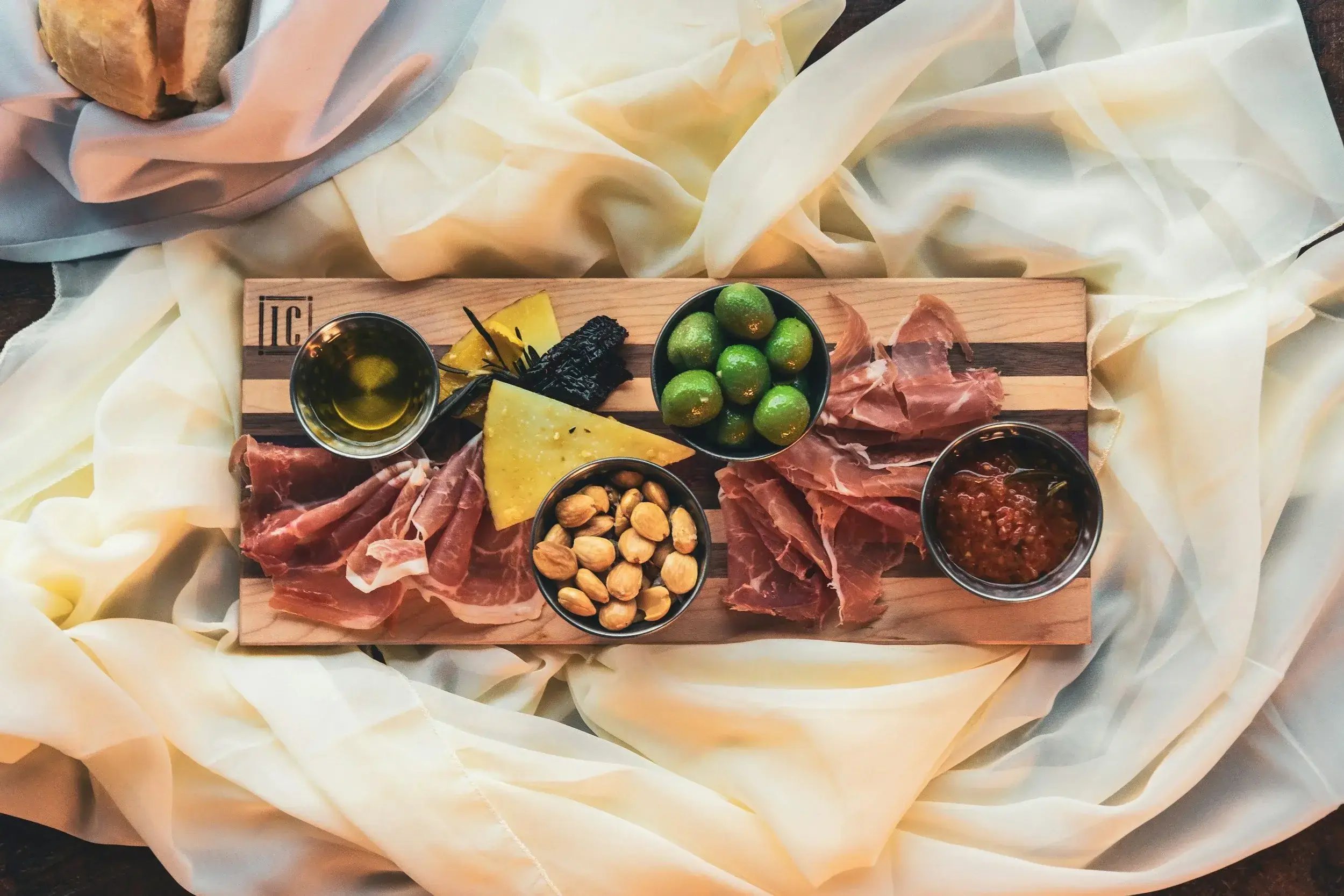

A well-planned cheeseboard catches the eye, sparks curiosity and prepares everyone for an enjoyable tasting experience. The cheeses you choose, the way you arrange them and the accompaniments you place around them can make the difference between a simple plate of cheese and a presentation that feels worthy of a special occasion, even when that occasion is only an evening shared with friends.
In this guide, you will find clear principles and practical advice drawn from my experience as a cheese educator and international cheese judge, helping you create a cheeseboard that feels balanced, inviting and full of personality.
1. Choosing the Cheeses: Balance Flavour and Texture
A successful cheeseboard combines variety with harmony. You want each cheese to bring something different, but the selection should still feel as though it belongs together rather than looking like a random collection.
Three useful criteria can help you begin:
Type of milk: cow’s, sheep’s, goat’s or buffalo milk
Texture: fresh, soft, semi-soft, firm, hard, bloomy-rind or blue
Flavour intensity: from delicate and milky to rich, savoury or powerful
For four to six people, four or five different cheeses will usually provide enough variety without overcrowding the board.
A balanced selection might include:
A fresh or creamy cheese, such as a soft goat’s cheese
A bloomy-rind cheese, such as Brie
A blue cheese, such as Stilton or Roquefort
A semi-hard cheese, such as a traditional Cheddar
A firm, mature cheese, such as Comté or Parmigiano Reggiano
You do not need to include every category each time. The purpose is not to follow a rigid formula, but to create contrast, so that your guests can move between different textures, milk types and levels of intensity.
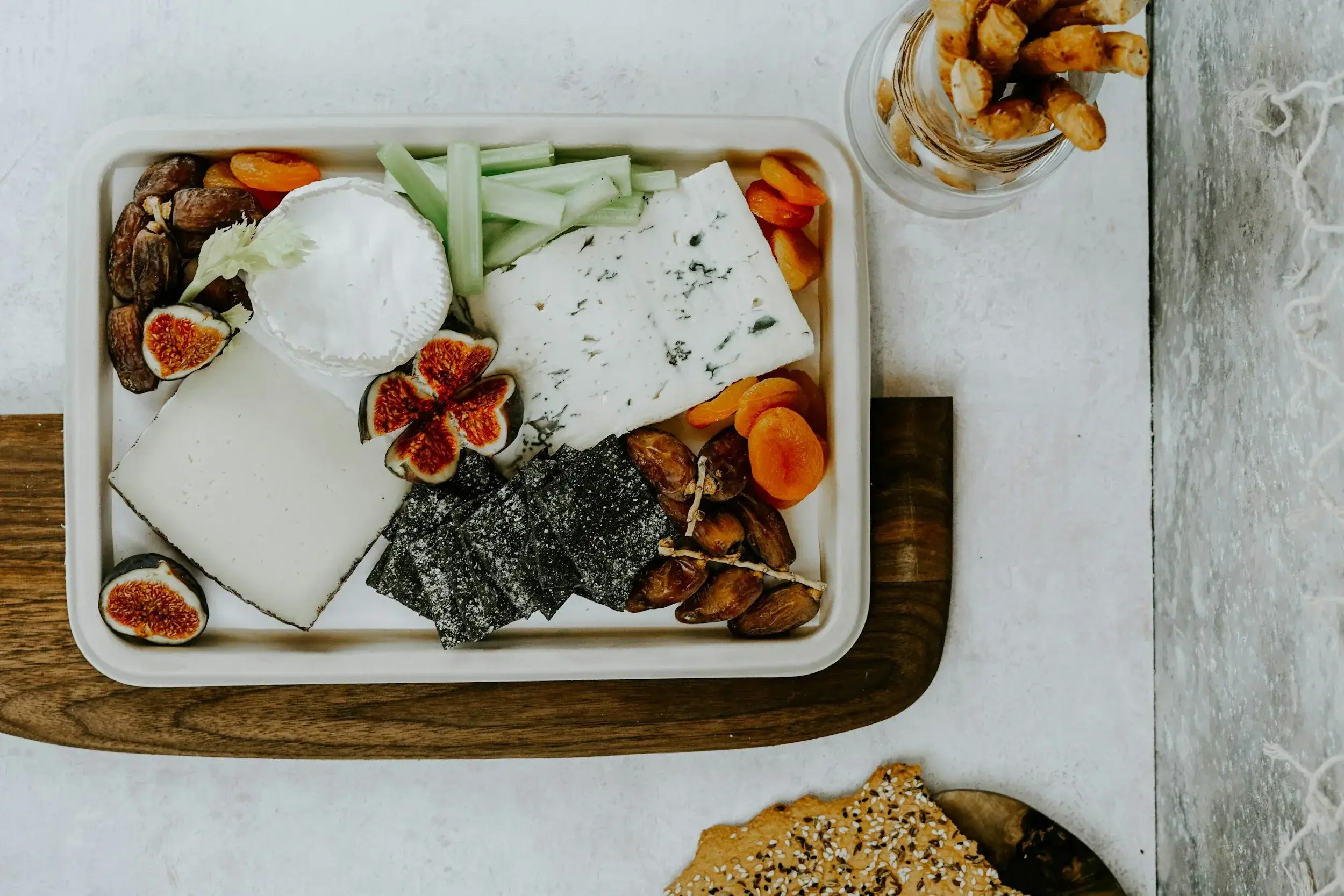
2. Arranging the Board with Purpose
The arrangement of a cheeseboard should be both attractive and practical. A board can look beautiful and still be awkward to serve, especially when soft cheeses are squeezed into small spaces or accompaniments leave no room for cutting.
Begin with the larger or firmer cheeses, placing them around the board with enough distance between them. These pieces create the main structure of the arrangement and make it easier to see where everything else should go.
Next, add the softer cheeses, leaving enough space around them for a knife and for guests to cut a piece without disturbing everything nearby. Cheeses from similar families can be placed in a loose sequence, but avoid allowing them to touch, particularly when one has a strong rind, blue mould or a very soft texture.
It is also helpful to consider the tasting order. Arrange the cheeses so that guests can move from the most delicate flavours towards the most intense, rather than beginning with a powerful blue cheese and then trying to appreciate a mild, milky one.
For visual variety, use different cuts that suit each cheese. Thin slices, wedges, cubes and irregular pieces broken by hand can reveal texture and make the board more interesting. A firm, crystalline cheese such as Parmigiano Reggiano often looks and tastes better when broken into natural pieces, while a semi-hard cheese may be easier to serve in slices or small wedges.
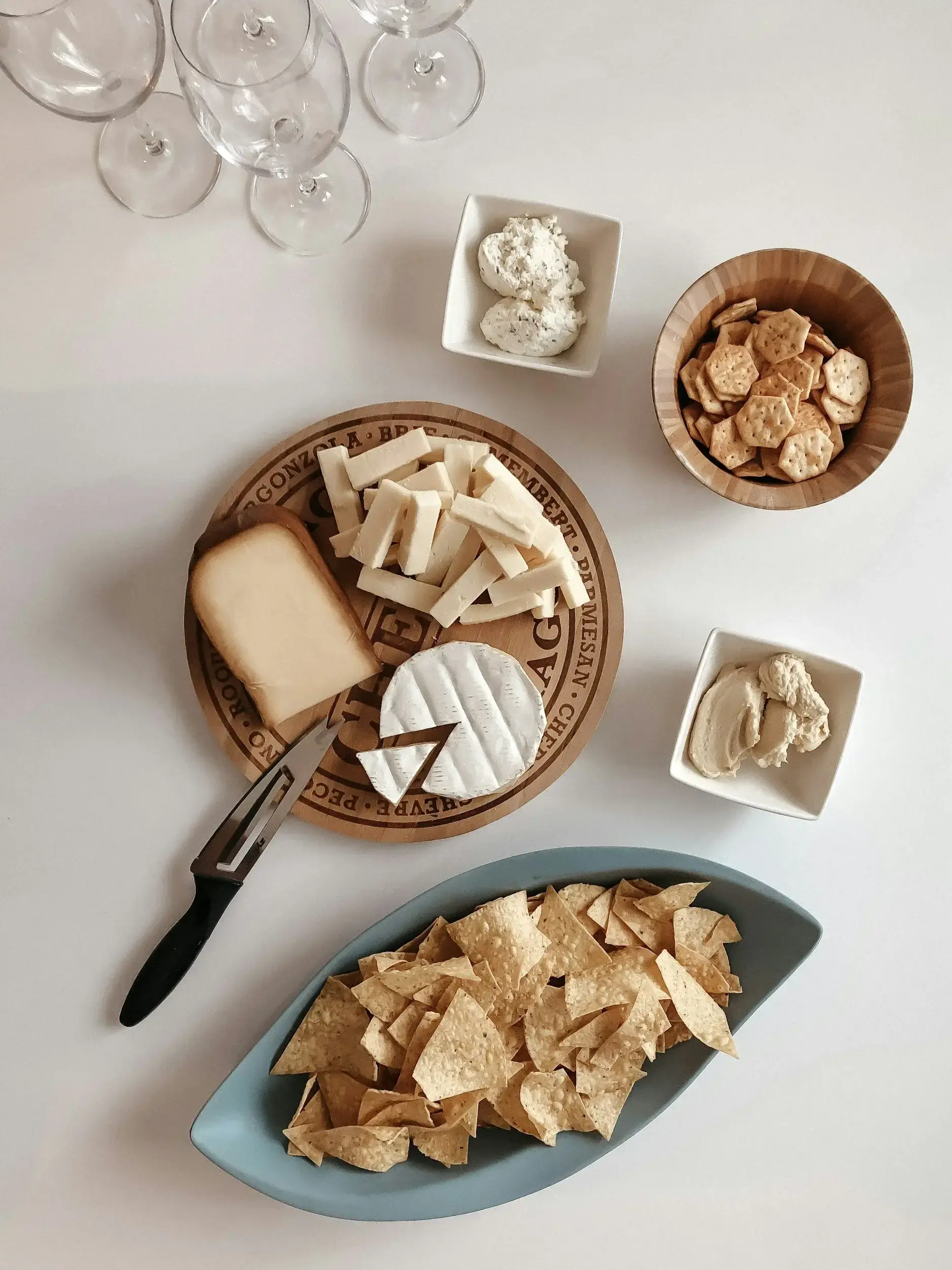
3. Choosing Accompaniments
The accompaniments on a cheeseboard add colour, texture and contrast, but they should support the cheeses rather than compete with them.
Fresh fruit can bring sweetness and acidity. Grapes, figs, apple slices and pears are all familiar choices, although the best option will depend on the cheeses and the season.
Dried fruits such as apricots, dates and raisins offer a more concentrated sweetness, while nuts including pecans, almonds and hazelnuts add texture and work particularly well with mature cheeses.
Bread and crackers should be kept relatively simple. A fresh baguette, plain crackers or breadsticks allow the cheese to remain the centre of attention, whereas heavily flavoured crackers can easily dominate more delicate cheeses.
Honey, chutney and fruit preserves can also work beautifully, especially when chosen with a specific cheese in mind. A little honey may complement a salty blue cheese, while a well-balanced chutney can suit a mature Cheddar. The important thing is to use these elements with restraint.
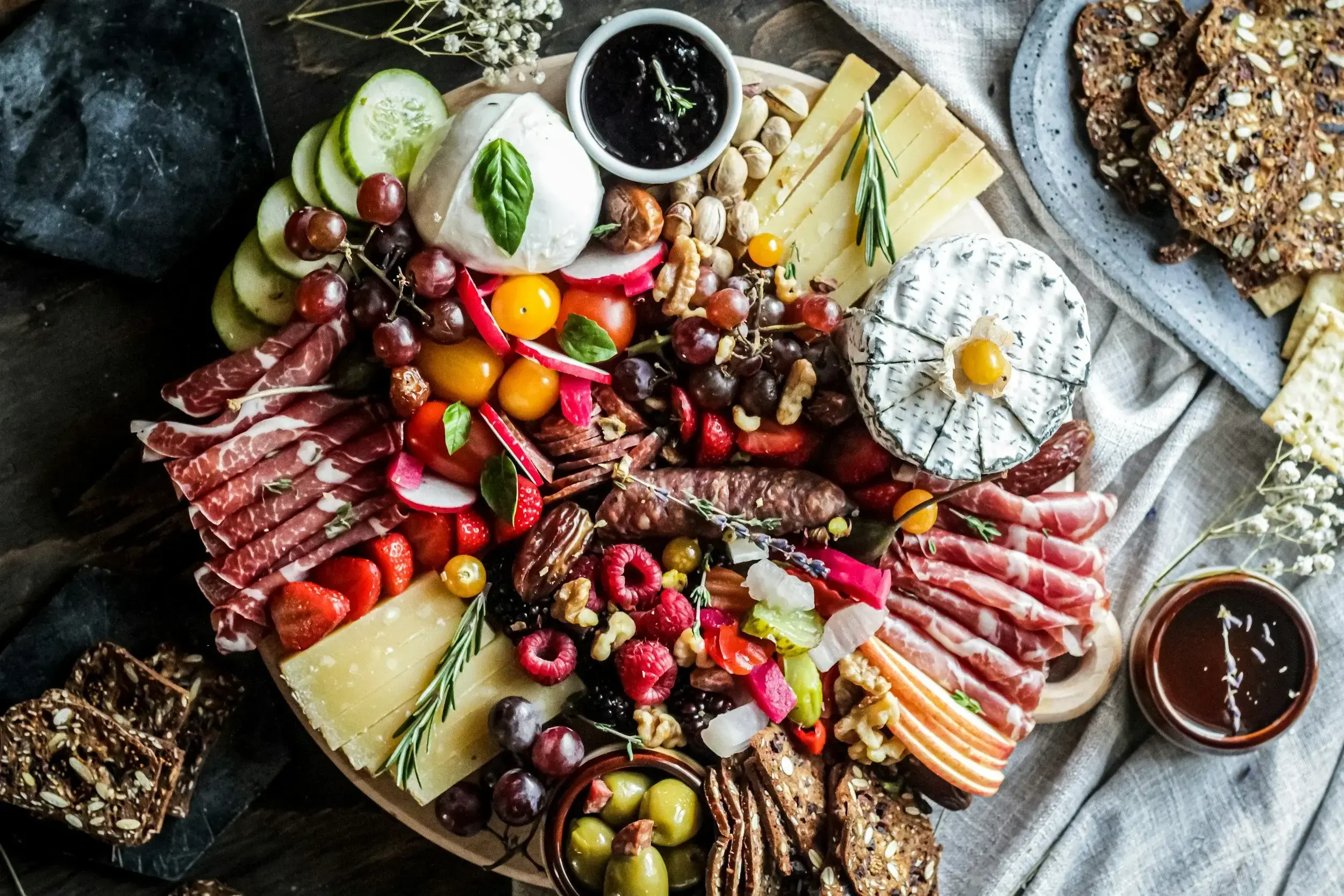 Do not overcrowd the board or bury the cheese beneath decorations and accompaniments that have no real pairing purpose. Leave enough room for serving, think about how the flavours work together and remember that the cheese should always remain the main event.
4. How much Cheese Do You Need?
The quantity will depend on how the cheeseboard is being served.
For a tasting, allow approximately 50–70 grams of cheese per person.
When cheese is the main part of the meal, allow around **150 grams per person.
These quantities can be adjusted depending on the number of other dishes being served, the appetite of your guests and the number of cheeses on the board. The aim is to offer enough variety without leaving such small portions of each cheese that no one can taste them properly.
5. Adapting the Board to the Occasion
The same cheeseboard will not suit every occasion, so it helps to think about how the cheese will be served before deciding how to prepare it.
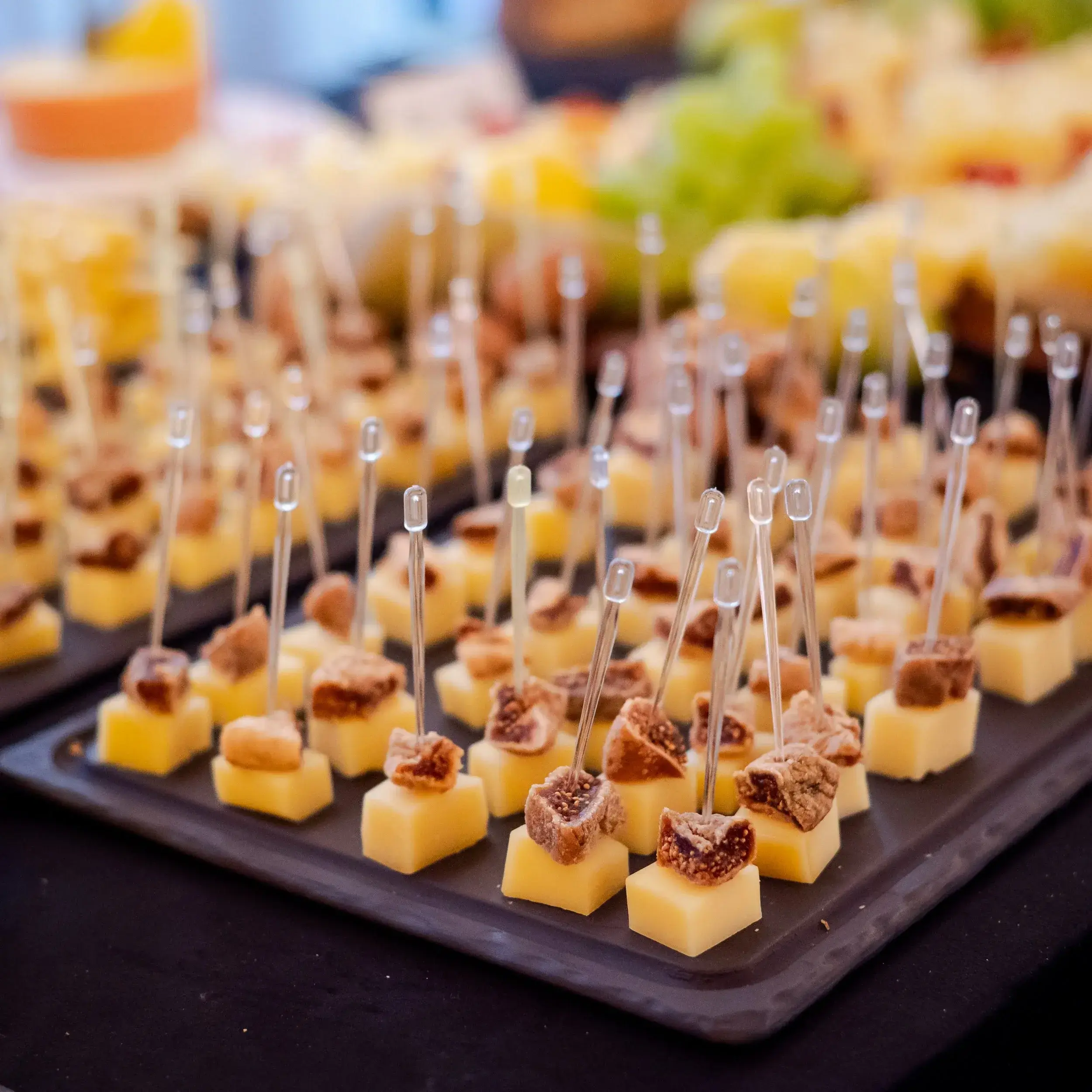
For larger events, modular boards are often the most practical option. They can be refreshed throughout the event, and cheeses can be pre-cut so that guests do not gather around one board or struggle to serve themselves.
For a guided tasting, smaller pieces are usually more appropriate, particularly when the cheeses need to be tasted in a specific order and discussed one at a time. In this setting, clarity matters more than abundance, and unnecessary accompaniments can distract from the cheeses themselves.
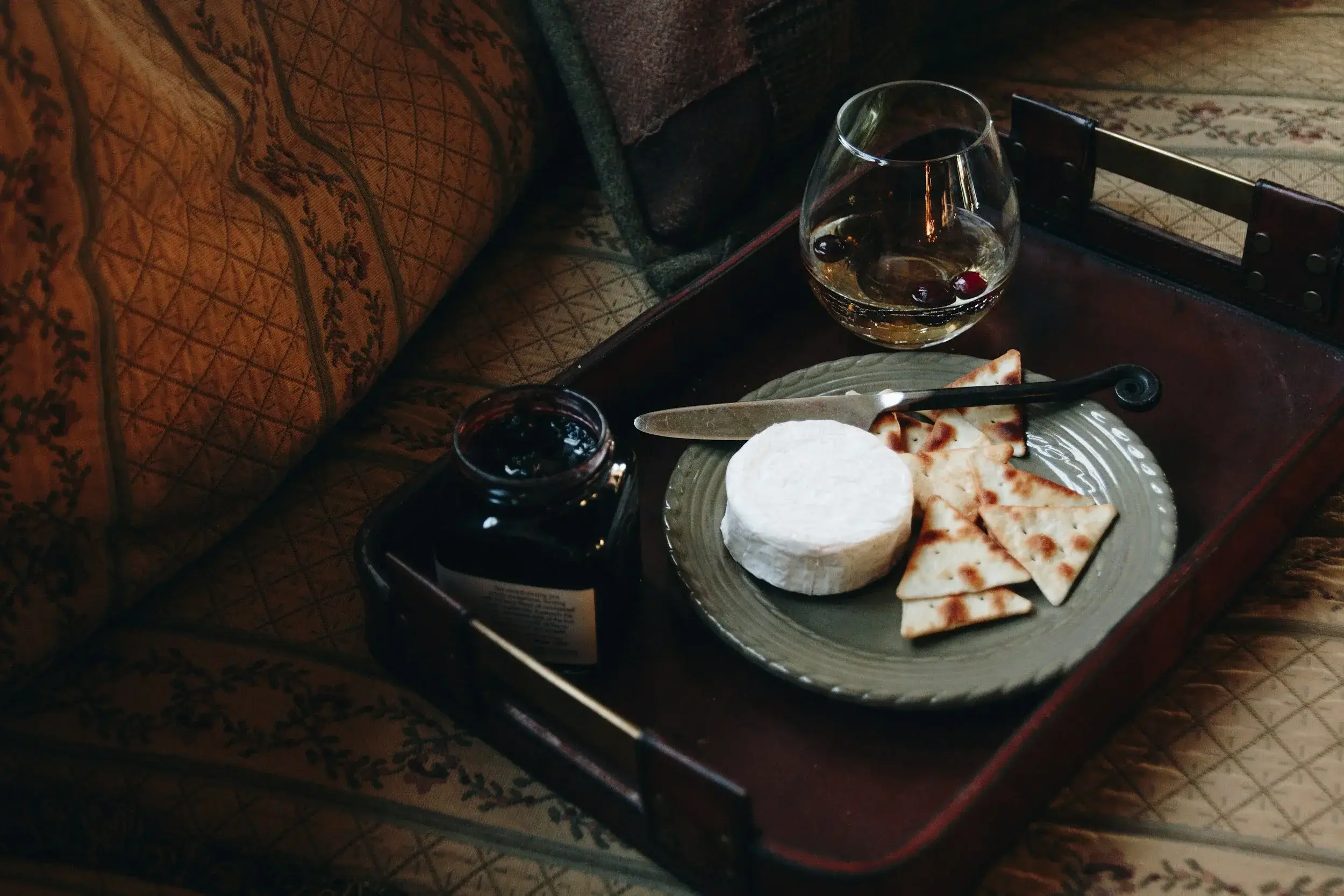
For a small dinner or an informal evening with friends, the board can be more relaxed. You may choose fewer cheeses, serve larger pieces and allow guests to cut and explore them at their own pace.
6. Small Details That Make a Difference
Take the cheese out of the refrigerator around **30 to 60 minutes before serving**, depending on the style and the temperature of the room. Cheese served too cold will often feel firmer, less aromatic and less expressive than it should.
Use a separate knife for each cheese whenever possible, especially when serving blue cheese, washed-rind cheese or anything particularly soft. This prevents flavours, moulds and pieces of rind from being transferred from one cheese to another.
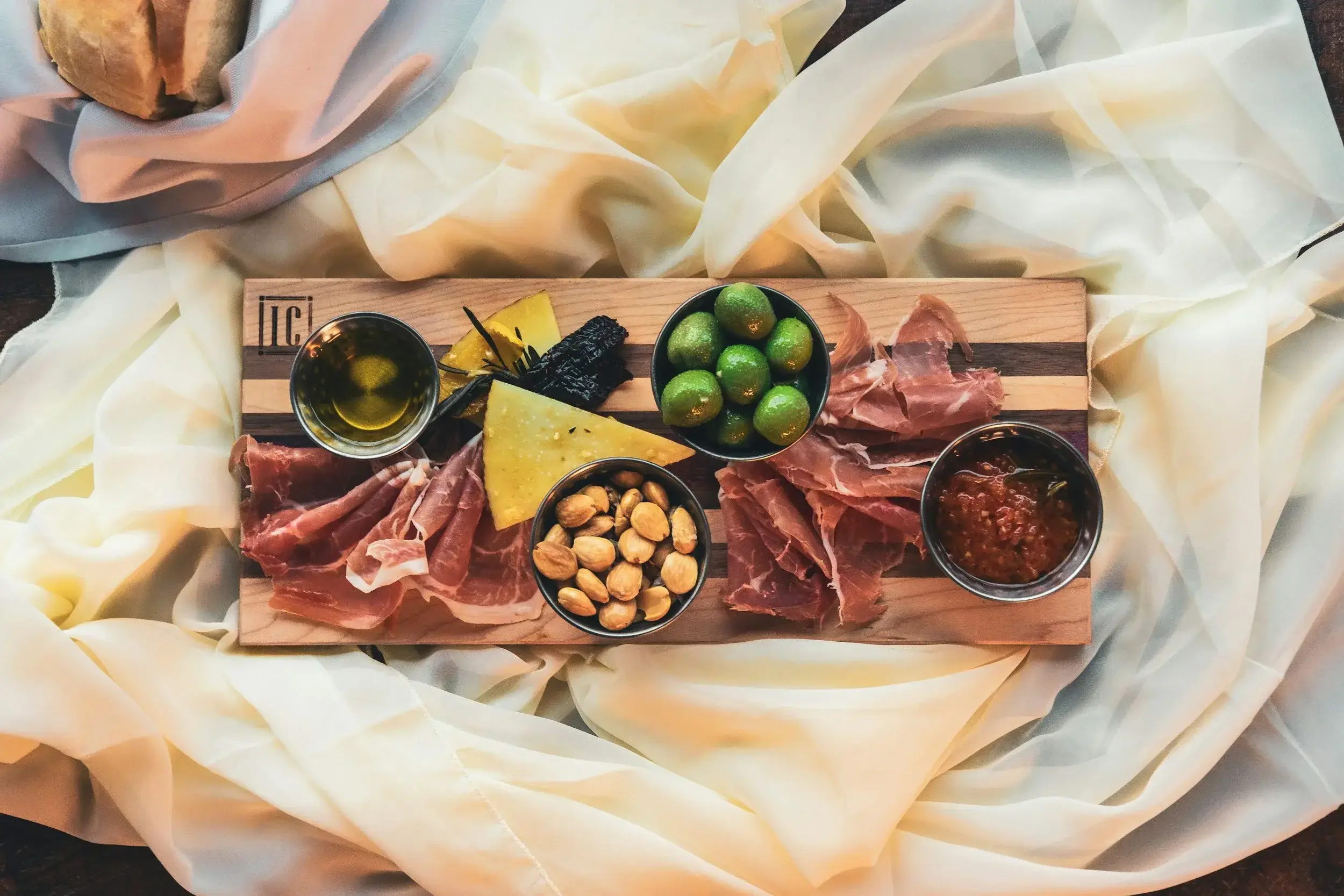
Avoid accompaniments that release too much juice, stain the cheese or spread across the board. Small bowls can be useful for honey, chutney, olives or anything likely to run.
The board itself should allow the colours and shapes of the cheeses to stand out. Wood, marble and ceramic are common choices, although the most important consideration is that the surface is food-safe, large enough and easy to use.
Would You Like to Learn More?
To explore cheese classification, professional cutting techniques and the principles behind serving and presentation in greater depth, discover the internationally accredited Academy of Cheese courses ➡ View course details and enrol here.