
Cheese Styles
Romanian Cheese
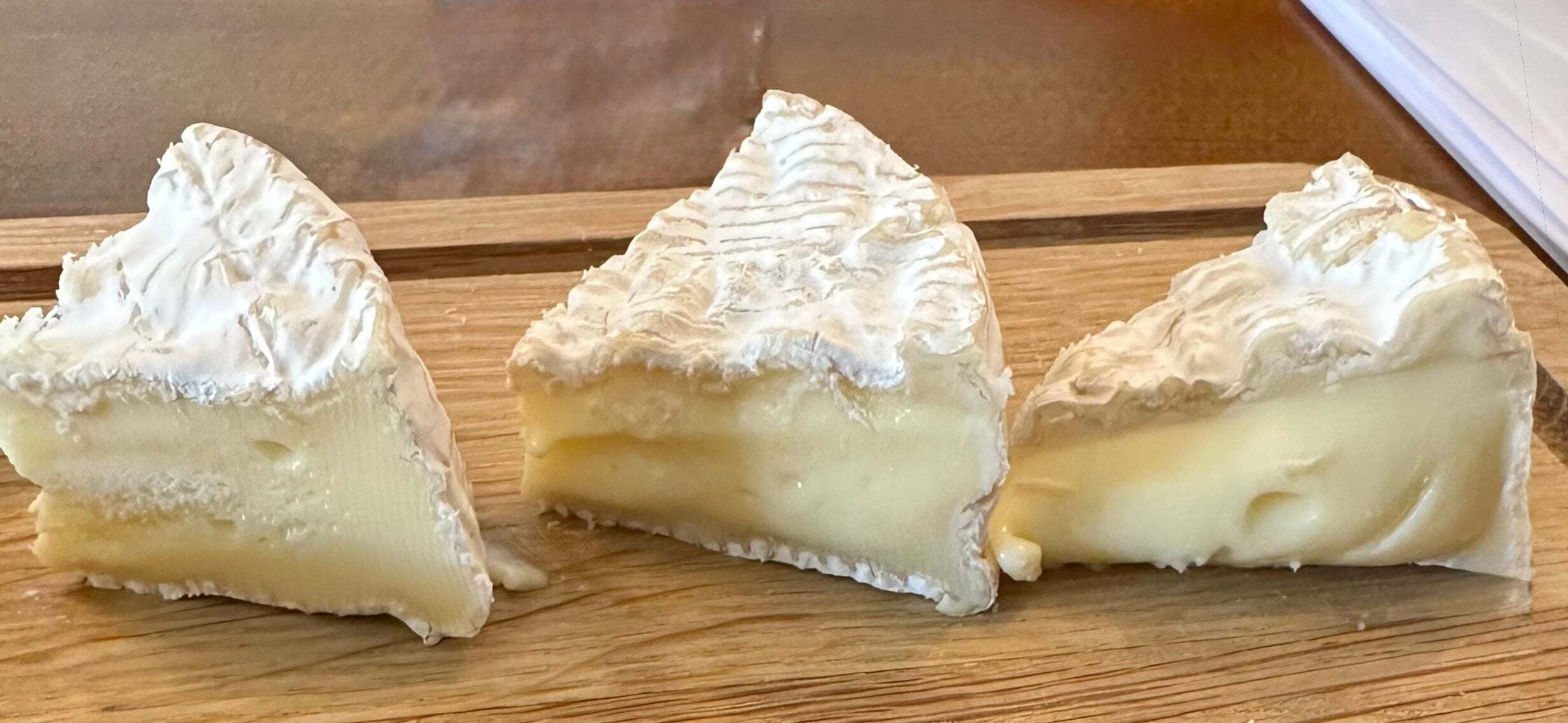

Cheese is such a familiar part of everyday life that we rarely stop to ask how much we actually know about it. We buy it, eat it, choose our favourites and, most of the time, leave the conversation there, not because cheese is uninteresting, but because it is not always obvious what else there is to say.
When we do try to describe a cheese, we often fall back on a few familiar words. We say that it is good, too strong, too mild or simply not to our taste, yet explaining what we mean can be surprisingly difficult. Is the cheese too salty, too acidic, too pungent, too firm, or is the flavour simply more intense than we expected? Without a few useful points of reference, all these different sensations can easily become one vague impression. This is where learning more about cheese becomes useful, not because every tasting needs to sound technical, but because a little knowledge helps us understand what we are already noticing.
The Label Only Tells Part of the Story
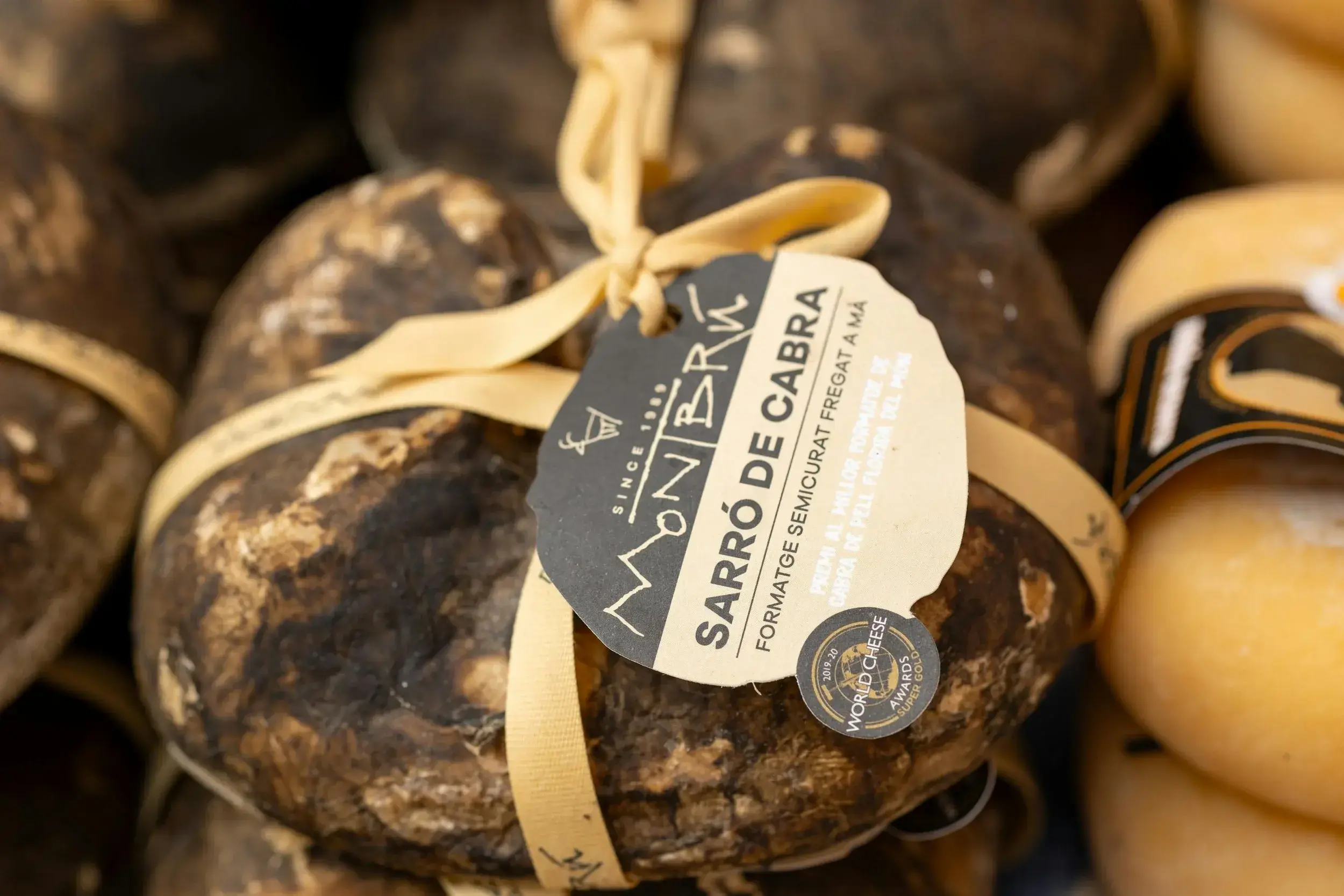
For most people, the label is the first place they look for information. It may tell us where the cheese was made, which type of milk was used, how much fat it contains or how long it has been matured, and all of this can certainly help us decide whether the cheese is worth trying.
The problem is that two cheeses can have very similar information on the label and still taste completely different.
They may come from the same country, use the same type of milk and even have a similar maturation period, yet one may be soft, buttery and mild while the other is firm, savoury and much more intense. The difference comes from the way the cheese was made: how the milk was coagulated, how much moisture was left in the curd, whether the cheese was pressed, how the rind was treated and what happened during maturation.
Most of these details never appear on the packaging, which means that the label can guide us, but it cannot fully explain the cheese.
The words used on labels can also create expectations that are not always useful. “Traditional”, “artisan” or “authentic” may sound appealing, but they tell us very little unless we know what methods were used and why they matter. A good story can make a cheese more interesting, but the story alone cannot tell us how it will taste.
Why “Strong” Is Not Always Very Helpful
One of the words used most often to describe cheese is “strong”, but it can mean many different things.
A cheese may have a strong smell but a gentle flavour. It may be very salty without being particularly aromatic, or acidic without being pungent. A mature cheese may have a long and complex finish, while another may simply taste harsh or unbalanced.
These are very different experiences, even though they are often described using the same word.
This becomes especially clear with washed-rind cheeses. Their aroma can be powerful enough to fill a room, yet the paste may taste surprisingly sweet, creamy and gentle. On the other hand, a cheese with very little aroma may reveal a great deal of salt, acidity or bitterness once it is tasted.
Learning a few more precise words does not make cheese less enjoyable. It simply helps us understand why we react to it in a certain way.
Instead of saying that a cheese is too strong, we might realise that the salt is dominant, the acidity is sharper than we enjoy or the aroma is more pungent than expected. Once we understand that difference, it becomes easier to choose other cheeses we may like and to avoid those that contain the characteristics we do not.
Texture Tells Us More Than We Think
We often pay attention to flavour first, but texture is one of the clearest clues to how a cheese was made and how it has matured.
A cheese can be soft, creamy, chalky, elastic, crumbly, brittle, dense or almost fluid, and these differences are not accidental. They are linked to moisture, acidity, fat, the way the curd was handled and the changes that took place during maturation.
Even the simple word “hard” can hide several different textures. Parmigiano Reggiano may be firm and granular, mature Cheddar can be dense and crumbly, while aged Gouda may be hard but smooth, with small crystals that give it a different sensation in the mouth.
Once we begin to notice texture, the cheese becomes easier to understand. A soft layer beneath the rind may show that maturation is progressing from the outside towards the centre. A dry, crumbly texture may be typical of the style, or it may suggest that the cheese has lost too much moisture.
Texture does not give us every answer, but it gives us a place to begin.
Comparison Makes Everything Clearer
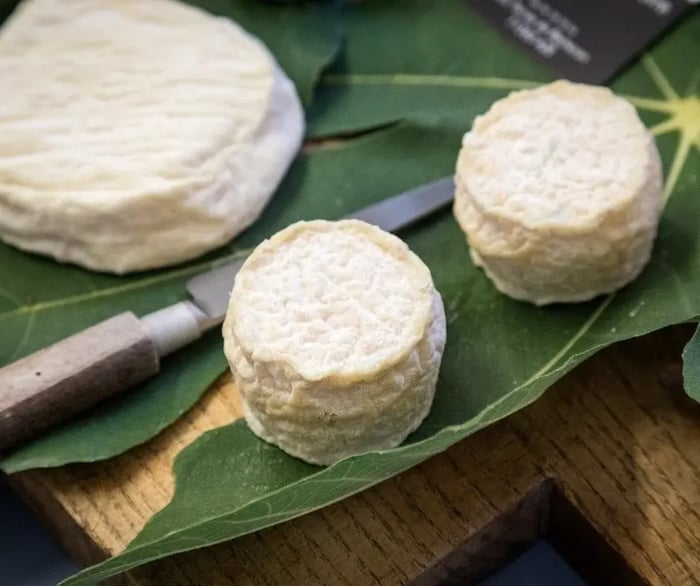
It is difficult to understand a cheese in isolation because there is nothing beside it to provide context.
A young Cheddar may taste sharp and lively, but its character becomes much clearer when it is tasted next to a mature Cheddar. The older cheese may be firmer, more savoury and longer on the palate, while the younger one may feel fresher, more acidic and more direct.
The same happens when we compare a young Gouda with an aged one, or two goat’s cheeses at different stages of maturation. What seemed difficult to describe on its own suddenly becomes much easier to recognise.
Comparison does not need to be formal. It can be as simple as buying two cheeses of the same style but different ages and tasting them side by side. The purpose is not to decide which one is better, but to notice how they differ.
Over time, these comparisons create useful memories. The next time we taste a similar cheese, we have something to connect it to, and the experience becomes easier to understand.
This is how knowledge grows: not by memorising long lists, but by noticing differences and remembering them.
Tradition needs more than a good story
Tradition is an important part of cheese, and many cheeses exist because generations of cheesemakers learned how to work with the milk, climate and conditions available to them.
But phrases such as “made this way for hundreds of years” do not explain very much on their own. They tell us that a method has survived, but not why it developed or what effect it has on the cheese.
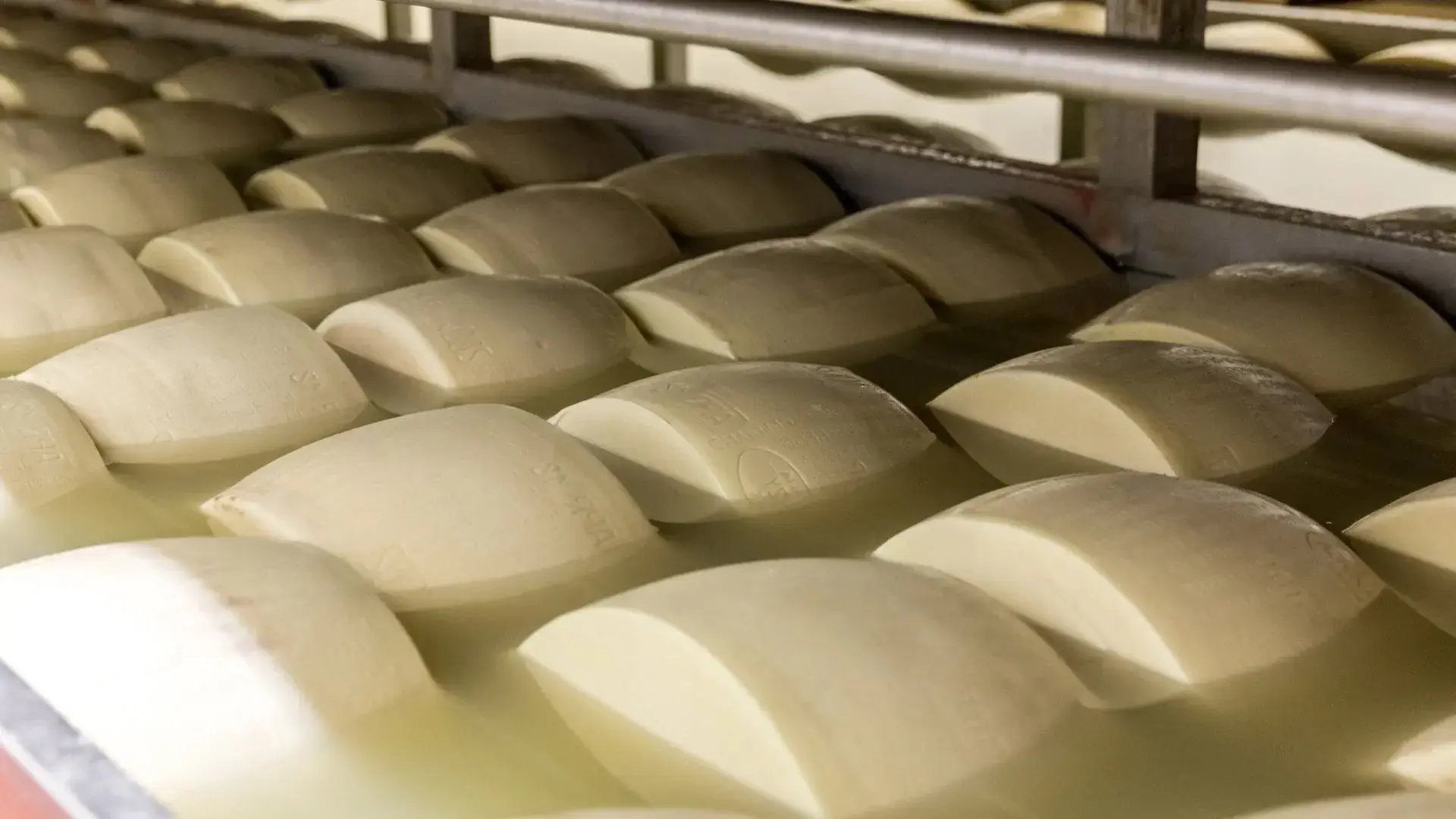 Large wheels of cheese were often practical because they could mature for longer and travel more easily. Brined cheeses developed in places where salt helped preserve cheese in warmer conditions. Rinds were washed, brushed or left to develop naturally because each method affected moisture, microorganisms and flavour.
Once we understand these reasons, tradition becomes more than a romantic story. It becomes a record of practical decisions, repeated and improved over time.
This does not make cheese less magical. In many ways, it makes it more interesting, because we begin to see how closely each style is connected to the place and conditions in which it developed.
Taste Education Is Not About Being Told What to Like
Many people assume that learning about cheese means learning which cheeses are considered good and which ones they are supposed to enjoy. That is not the point.
Taste education does not replace personal preference. It helps us understand it.
You may dislike blue cheese, but still recognise whether it is creamy, salty, sweet or sharply metallic. You may love a very mature cheese while also noticing that its bitterness is beginning to dominate. You may prefer young, milky cheeses and still appreciate the complexity of something aged for several years.
Understanding a cheese does not mean that you have to like it.
It simply allows you to separate quality from preference and to explain your reaction more clearly. Instead of saying only “this is not for me”, you may realise that you dislike the pungent aroma, the bitterness or the dry texture, while still recognising that the cheese is well made.
That kind of understanding makes choosing cheese easier, but it also makes tasting more enjoyable because we become more curious and less worried about finding the “correct” answer.
Why We Need Better Ways to Talk About Cheese
Without some shared language, conversations about cheese remain limited to personal reactions. There is nothing wrong with saying that we like something, but it is difficult to learn from one another when the conversation ends there.
A few clear words and some basic points of reference allow us to go further. They help us compare, remember and explain, whether we are choosing cheese in a shop, serving it to friends or simply trying something unfamiliar.
Talking about cheese does not need to become technical or pretentious. It only needs to become a little more precise.
The more attention we pay, the more we begin to notice how milk, method, maturation and place come together in something that may look simple on the plate. Cheese remains an everyday food, but it no longer feels ordinary.
Perhaps that is why talking about it is harder than it first appears. Cheese is familiar enough to make us think we already understand it, yet complex enough to keep revealing something new whenever we look a little closer.